

What Benefits Do McDonald’s Employees Receive?
Choosing a job isn’t only about the hourly wage or the title on a name badge. For many people, the real question starts after the interview: What benefits come with the role?
Whether you’re a student looking for flexible work, someone returning to the workforce, or a professional exploring corporate opportunities, understanding employee benefits can make a big difference.
McDonald’s is one of the world’s largest employers, with millions of workers across company-owned restaurants, franchise locations, and corporate offices.
Because of that size, its benefits can vary depending on where you work, whether you’re employed by McDonald’s Corporation or an independently owned franchise, your country, and whether you’re a full-time or part-time employee.
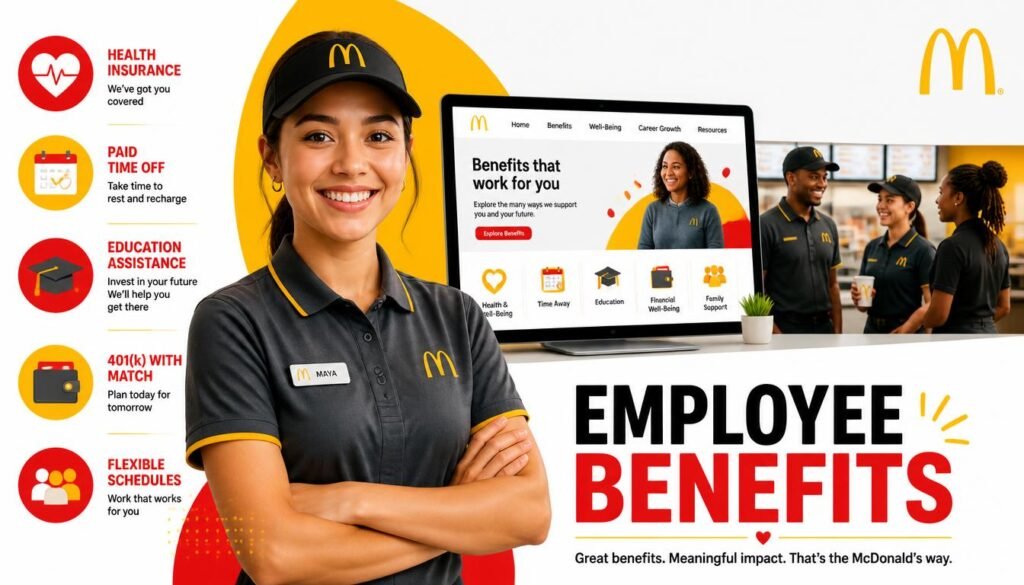
Still, there are many common benefits that employees may have access to, ranging from health insurance and retirement plans to education programs, paid time off, career development opportunities, and employee discounts.
Funny thing is, two people wearing the same uniform might have slightly different benefit packages simply because they work for different franchise owners. That’s kinda how franchising works, and it surprises people more often than you’d think.
This guide explores the benefits that are commonly available, explains how they differ by role, and offers practical insights into what prospective employees should expect.
| Benefit Category | What Employees May Receive |
|---|
| Health Insurance | Medical coverage, preventive care, prescription drug benefits (eligible employees) |
| Dental Insurance | Routine exams, cleanings, fillings, and some major dental work |
| Vision Insurance | Eye exams, glasses, contact lenses, and vision care discounts |
| Retirement Plans | 401(k) plans, retirement savings, and employer matching where available |
| Paid Time Off | Vacation, paid holidays, sick leave, and family leave (eligibility varies) |
| Flexible Scheduling | Part-time, full-time, and flexible work schedules |
| Tuition Assistance | College tuition support, educational assistance, and career development programs |
| Employee Discounts | Discounted or free meals during shifts and other employee discounts |
| Career Growth | Training, leadership development, and promotion opportunities |
| Performance Rewards | Bonuses, recognition programs, and incentive pay (role-dependent) |
| Life & Disability Insurance | Life insurance, short-term and long-term disability coverage (eligible employees) |
| Family Benefits | Adoption assistance, dependent coverage, and childcare support (varies by location) |
| Financial Benefits | Profit sharing, stock purchase plans, financial planning resources, and savings programs |
| Employee Assistance | Mental health support, counseling, legal, and financial assistance programs |
| Additional Perks | Fitness discounts, retail discounts, and wellness programs (location-dependent) |
Understanding How McDonald’s Employee Benefits Work
Before diving into specific perks, it’s important to understand how employment at McDonald’s is structured.
Many restaurants operate as independently owned franchises. While they follow McDonald’s operating standards, franchise owners generally determine their own pay rates and employee benefit offerings.
On the other hand, employees working directly for McDonald’s Corporation or in company-owned restaurants often receive benefit packages established by the corporation.
That means there isn’t a single universal benefits package for every employee. Even so, several programs and categories appear frequently across many locations.
Some benefits may include:
- Health insurance options
- Dental and vision coverage
- Retirement savings plans
- Tuition assistance
- Employee meal discounts
- Flexible scheduling
- Paid time off
- Career development programs
- Recognition and reward initiatives
It’s worth asking about benefits during the hiring process because eligibility often depends on employment status and local employment laws.
Health Insurance and Medical Coverage
One of the most valuable workplace benefits is healthcare. Eligible employees at many company-operated locations may receive access to medical insurance plans designed to support preventive and ongoing healthcare needs.
Depending on eligibility requirements, employees may have access to:
- Medical insurance
- Prescription drug coverage
- Preventive healthcare services
- Annual wellness examinations
- Specialist care
- Hospital coverage
Some plans may utilize provider networks such as Preferred Provider Organization (PPO) or Health Maintenance Organization (HMO) options, allowing employees to choose the healthcare arrangement that best fits their needs.
Preventive care often receives special attention because early treatment generally reduces long-term healthcare costs.
Services such as routine checkups, vaccinations, screenings, and wellness visits may be covered according to plan terms.
Benefits vary by location, employment classification, and healthcare provider, so employees should carefully review their enrollment materials.
Dental and Vision Benefits
Healthcare extends beyond doctor visits.
Eligible employees may also receive dental and vision insurance, helping reduce expenses associated with routine care.
Dental coverage commonly helps with:
- Regular cleanings
- X-rays
- Fillings
- Major restorative work
- Orthodontic treatment (depending on the plan)
Vision benefits may include:
- Eye examinations
- Prescription glasses
- Contact lenses
- Discounts on LASIK procedures
- Vision correction services
These benefits can provide meaningful financial savings over time, especially for employees supporting families.
Financial Security Through Retirement Benefits
Planning for retirement may not seem like an immediate priority for younger workers, yet beginning early often produces long-term financial advantages.
Eligible employees may have access to retirement savings programs such as:
- 401(k) retirement plans
- Employer matching contributions where applicable
- Long-term investment opportunities
- Tax-advantaged retirement savings
Historically, corporate employees have also had access to programs connected with organizations like T. Rowe Price, along with investment options that may include funds such as the Prime Reserve Fund, though available investment choices can change over time.
Some corporate benefit packages have also included employee stock purchase opportunities through programs such as MCDirect Shares, allowing eligible employees to invest in company stock under plan rules.
These programs encourage employees to think beyond today’s paycheck, which honestly isn’t always easy when rent is due next week.
Life Insurance and Income Protection
Unexpected events can happen without much warning. That’s one reason employers frequently include insurance protections within their benefits packages.
Eligible employees may have access to:
- Life insurance
- Dependent life insurance
- Short-term disability insurance
- Long-term disability insurance
- Accidental Death and Dismemberment (AD&D) insurance
- Business travel accident insurance
- Travel accident insurance
These programs are designed to provide financial protection for employees and their families during difficult circumstances.
Coverage amounts and eligibility vary depending on employment status and specific benefit plans.
Flexible Spending Accounts and Healthcare Savings
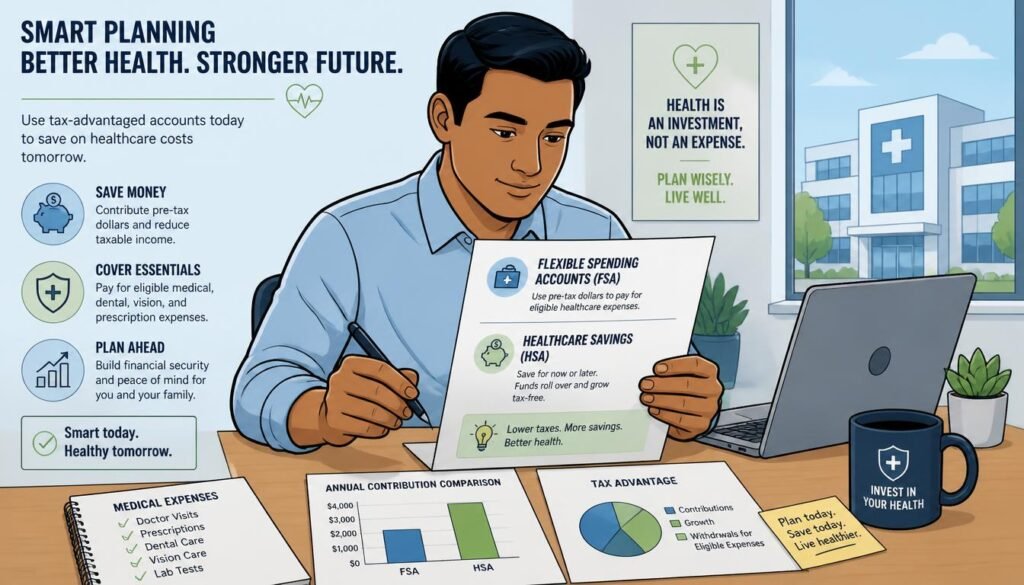
Healthcare expenses don’t always arrive when your budget is ready for them.
Some employees may be eligible for Flexible Spending Accounts (FSAs), including:
- Healthcare Spending Accounts
- Day Care Spending Accounts
These accounts allow employees to contribute pre-tax dollars toward qualifying healthcare or dependent care expenses, potentially reducing taxable income while helping manage everyday costs.
For working parents, dependent care accounts can be especially valuable.
Paid Time Off and Work-Life Balance
Everyone needs time away from work occasionally. Rest isn’t just nice it helps people stay productive, healthy, and engaged.
Depending on eligibility and employment status, benefits may include:
- Paid vacation
- Paid holidays
- Sick leave
- Family leave
- Medical leave
- Leave of absence
- Bereavement leave
- Adoption leave
Some corporate positions have historically offered additional flexibility through:
- Flexible work arrangements
- Job sharing
- Compressed workweeks
- Flexible scheduling
- Short Fridays
- Sabbatical opportunities
Restaurant roles naturally require on-site work, but scheduling flexibility is often one of the reasons students and parents consider McDonald’s employment.
It isn’t always perfect, of course. Restaurants still need coverage during busy hours, so flexibility works best when managers and employees communicate well.
Educational Assistance and Career Development
Education has become one of McDonald’s most recognized employee investments.
Many employees have access to education initiatives that may include:
- Tuition assistance
- Tuition reimbursement
- Career development programs
- Leadership training
- Professional certifications
- Continuing education support
Programs such as Archways to Opportunity in the United States have helped eligible employees pursue high school completion, English language learning, college tuition assistance, and career advising.
Restaurant experience also develops transferable workplace skills, including:
- Customer service
- Communication
- Time management
- Leadership
- Teamwork
- Conflict resolution
- Food safety
- Inventory management
Many restaurant managers actually began as crew members, which says quite a bit about internal promotion opportunities.
Employee Recognition and Performance Rewards
Recognition matters.
Employees often appreciate knowing their effort has been noticed, even if it’s something simple.
Depending on location, recognition programs may include:
- Employee of the Month awards
- Performance bonuses
- Incentive pay
- Pay-for-performance programs
- Long-term incentive opportunities
- Service anniversary recognition
- Team achievement awards
Corporate employees may also participate in broader performance evaluation systems tied to annual salary reviews and leadership development.
Good managers know appreciation doesn’t always have to cost much. A sincere “great job today” after a hectic lunch rush can stick with someone longer than you’d guess.
Employee Discounts and Everyday Perks
Many employees enjoy practical perks that help reduce everyday expenses.
Common examples include:
- Discounted employee meals
- Meal allowances during shifts
- Retail discount programs
- Entertainment discounts
- Travel discounts
- Mobile phone savings
- Fitness club discounts
Corporate benefit packages have also historically included access to discount programs involving:
- Auto insurance
- Home insurance
- Financial counseling
- Legal assistance
- Concierge services
These savings may seem modest individually, but together they can provide noticeable value throughout the year.
Family-Friendly Benefits
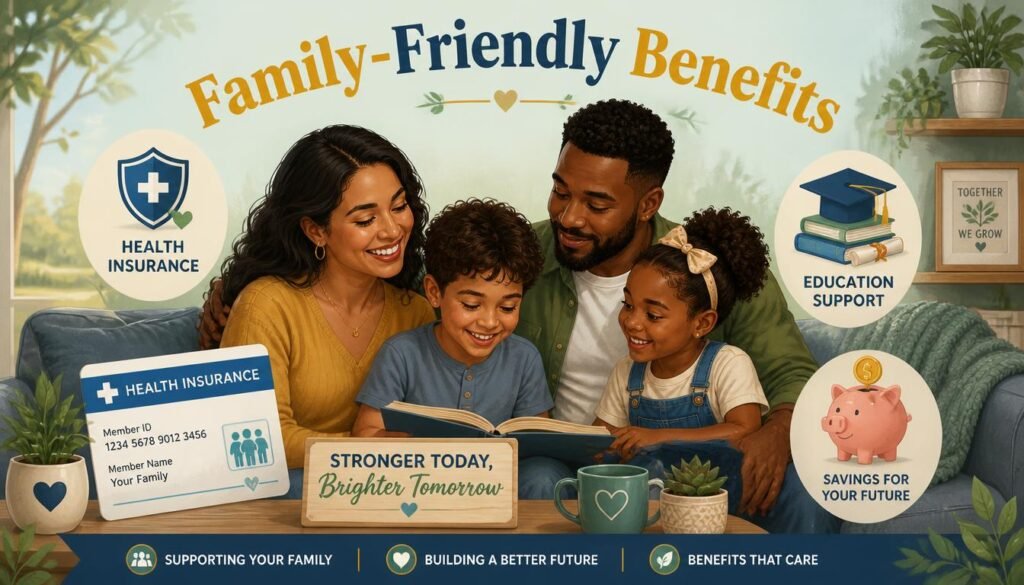
Supporting employees often means supporting their families as well.
Depending on location and eligibility, family-oriented benefits may include:
- Adoption assistance
- Childcare support
- Dependent healthcare coverage
- Family leave
- Parenting resources
Some historical corporate benefit materials have referenced relationships with childcare providers including Childtime Learning Center, Knowledge Learning Corporation, and La Petite Academy, although participating providers and discounts may change over time.
Programs like these recognize that balancing work and family responsibilities isn’t exactly a small task.
Financial Planning Resources
Financial wellness extends beyond retirement.
Some benefit packages have historically included access to:
- Financial planning services
- Budgeting assistance
- Investment education
- Credit union membership opportunities
Organizations such as Corporate America Family Credit Union, Ameriprise Financial, and Merrill Lynch have appeared in connection with certain employee financial services or educational resources in past corporate benefit materials.
Employees may also receive guidance on:
- Saving strategies
- Debt management
- Retirement planning
- Investment diversification
These educational resources can help employees make informed financial decisions throughout different stages of life.
Employee Assistance Programs
Sometimes employees need support beyond healthcare.
Employee Assistance Programs (EAPs) often provide confidential services that may include:
- Mental health counseling
- Stress management
- Family counseling
- Financial counseling
- Legal consultations
- Crisis support
Corporate programs have also referenced services such as Employee Resource Connection and providers like BeyondWork, though available resources may differ by employer and region.
Having confidential support available can make a meaningful difference during challenging periods.
Benefits for Part-Time Employees
Many people assume benefits only exist for full-time workers.
That’s not always true.
While comprehensive healthcare and retirement plans often require minimum hour thresholds, part-time employees may still receive benefits such as:
- Flexible scheduling
- Employee meal discounts
- Training opportunities
- Educational assistance eligibility
- Career advancement opportunities
- Recognition programs
Eligibility rules vary significantly among franchise owners, making it worthwhile for applicants to ask specific questions before accepting a position.
Benefits for Restaurant Managers
Restaurant managers generally receive more comprehensive compensation packages due to their additional responsibilities.
Manager benefits may include:
- Higher base salary
- Performance bonuses
- Leadership development
- Expanded healthcare coverage
- Retirement benefits
- Paid vacation
- Paid holidays
- Career advancement opportunities
Some corporate management roles have historically included participation in company vehicle or company car programs, although availability depends on job responsibilities and organizational policies.
Managers also gain valuable leadership experience applicable across many industries.
Corporate Employee Benefits
Corporate employees frequently receive broader benefit packages than restaurant-based positions.
Potential offerings may include:
- Comprehensive medical coverage
- Enhanced retirement plans
- Flexible work arrangements
- Tuition reimbursement
- Leadership development
- Sabbatical opportunities
- Incentive compensation
- Long-term incentives
- Recognition awards
Corporate roles span departments including marketing, finance, technology, supply chain, human resources, legal services, and global operations.
These positions often resemble opportunities available at other large multinational corporations.
Things Every Applicant Should Ask Before Accepting a Job

Benefits differ enough that asking thoughtful questions is worthwhile.
Consider asking:
- Which benefits are available immediately?
- When does health insurance begin?
- Is tuition assistance offered?
- Are retirement savings plans available?
- Are meal discounts included?
- Is paid vacation offered?
- Are schedules flexible?
- Which benefits apply to part-time employees?
These conversations help avoid misunderstandings later.
Frequently Asked questions
mcdonald’s dental insurance
McDonald’s offers eligible employees dental insurance that covers preventive, basic, and major dental services. Coverage and eligibility may vary depending on the employee’s role and location.
mcdonald’s employee benefits
McDonald’s provides a variety of employee benefits, including health insurance, paid time off, retirement plans, training programs, flexible work options, employee discounts, and career development opportunities for eligible employees.
mcdonalds corporate benefits
Corporate employees at McDonald’s may receive additional benefits such as performance bonuses, 401(k) matching, educational assistance, company car eligibility, flexible work arrangements, and comprehensive health coverage.
how much does mcdonald’s health insurance cost
The cost of McDonald’s health insurance depends on the employee’s plan, coverage level, employment status, and location. Eligible employees typically share the premium cost with the company.
does mcdonald’s have dental insurance
Yes, McDonald’s offers dental insurance to eligible employees. The plan generally includes preventive care, routine dental services, and coverage for certain major dental procedures, depending on the selected plan.
Read this Blog: https://menupricesaustralia.com/how-do-i-book-a-birthday-party-at-mcdonalds/
Final Thoughts
Working at McDonald’s can offer far more than an hourly paycheck. Depending on the location, employment status, and whether the restaurant is company-owned or franchised,
employees may gain access to healthcare coverage, retirement savings opportunities, educational assistance, paid leave, employee discounts, career development programs, and valuable workplace experience.
For many people, the first job at McDonald’s becomes the foundation for future success. It teaches communication, teamwork, responsibility, and customer service skills that remain valuable regardless of where a career eventually leads.
Others build long-term careers within the company, progressing from crew member to restaurant manager or moving into corporate leadership roles.
The most important takeaway is that benefits are not identical across every restaurant. Before accepting a position, ask about eligibility requirements, available programs, and enrollment timelines so you have a clear understanding of what is offered.
A strong benefits package can significantly improve both financial well-being and overall job satisfaction.
Whether you’re seeking flexible hours while attending school or pursuing a long-term career, understanding the available benefits helps you make a more informed employment decision.


