

No 1 China Menu: A Complete Guide to Chinese Food, Takeout, Delivery, and Popular Dishes
There is something wonderfully uncomplicated about opening a No 1 China Menu when you are hungry and realizing that the real problem is not finding food, but deciding what kind of food you suddenly want.
Maybe it is a crisp egg roll, a steaming bowl of wonton soup, or a plate of fried rice that somehow tastes even better when eaten straight from the takeout container. We’ve all been there, staring at a menu as if it has personally challenged us.
No 1 China represents the familiar style of Chinese-American cuisine that many diners know through neighborhood Chinese restaurants and takeout counters.
The menu typically brings together appetizers, soups, rice, noodles, chicken, beef, pork, seafood, vegetable dishes, combination platters, and chef-style specialties.
The exact selection can vary by restaurant location, so checking the local menu is always sensible before ordering.
For people searching for a Chinese food menu, the appeal is usually variety. One person can order something spicy, another can choose a mild vegetable dish, while somebody else is perfectly happy with chicken fried rice. That’s the little magic of a broad Chinese restaurant menu, really.
Understanding the No 1 China Menu
A useful way to read the No 1 China Menu is to stop treating it like one enormous wall of food. Most items fall into familiar groups, and once you understand those groups, choosing becomes much easier.
You’ll generally find appetizers, soups, fried rice, chow mein, lo mein, chop suey, sweet and sour dishes, egg foo young, mai fun, moo shu, vegetables, roast pork, chicken, beef, seafood, combination platters, specialties, and side orders.
That variety also makes the menu suitable for different situations. A quick lunch might call for a lunch special, while a family gathering could make a Chinese food family meal or family pack more practical. Sometimes you just want noodles at 9 p.m., and honestly, that is a perfectly valid life decision.
No 1 China Menu Appetizers Worth Exploring
The appetizer section is often where a Chinese takeout meal begins. These smaller portions are useful when sharing, or when you want something crunchy while waiting for the main dishes to arrive.
Common choices associated with this menu style include:
- Egg Roll – A crisp fried wrapper filled with a savory vegetable mixture, making it one of the most recognizable Chinese takeout appetizers.
- Shrimp Egg Roll – Similar in spirit to the classic egg roll, but with shrimp adding a different savory note.
- Fried Crab Meat Rangoon – Creamy filling enclosed in a fried wrapper, often paired with a dipping sauce.
- Fried Chicken Wings – A familiar comfort-food choice when you want something crispy and substantial.
- Spring Roll – A lighter, crisp appetizer that works nicely beside noodles or rice.
- Fried Crispy Wonton – Crunchy wontons that can be enjoyed alone or with dipping sauce.
- Chinese Donuts – Fried pieces with a simple, slightly sweet character that are surprisingly easy to keep eating.
- Bar-B-Q Spare Ribs – A richer appetizer option with a savory, glazed profile.
- Boneless Ribs – Tender sliced pork with a sweet-savory character commonly associated with Chinese-American takeout.
- Fried Dumplings or Steamed Dumplings – A choice between crispy edges and a softer preparation, depending on what you’re craving.
If several people are eating together, combining an egg roll, dumplings, and ribs can create a small appetizer spread without making the meal feel overly complicated.
No 1 China Menu Soups for a Warm Start
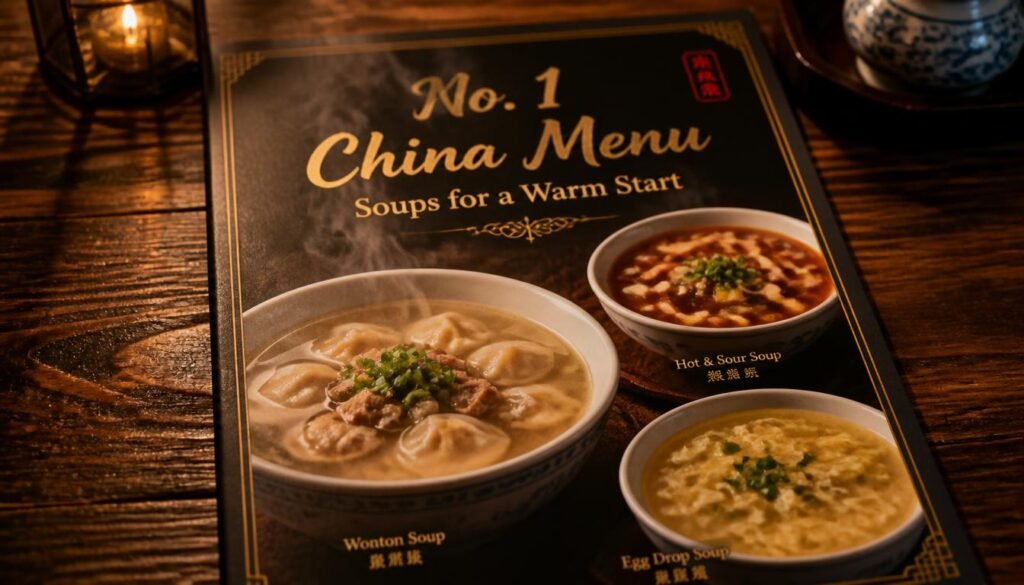
Soup has a quieter role on a Chinese takeout menu, but it can completely change the meal. A hot container of soup arriving on a cold or rainy evening has its own kind of comfort, no fancy explanation needed.
Popular options may include Wonton Soup, Egg Drop Soup, Wonton Egg Drop Soup, Chicken Rice Soup, Chicken Noodle Soup, Bean Curd with Vegetable Soup, House Special Soup, and Hot & Sour Soup.
Wonton Soup is a classic for diners who enjoy tender dumplings in a light broth. Egg Drop Soup has a softer texture and delicate egg ribbons, while Hot & Sour Soup brings a more pronounced combination of heat and tang.
For someone ordering several heavier dishes, soup can also provide contrast. A savory broth beside fried rice or crispy noodles keeps the meal from becoming one-note, which is a small thing but makes a difference.
Fried Rice, Chow Mein, Lo Mein, and Other Noodles
Rice and noodles form the backbone of many Chinese takeout menus, and the choices can feel endless until you understand the basic difference.
Fried rice is usually wok-cooked rice combined with ingredients such as egg, vegetables, roast pork, chicken, beef, shrimp, or a house combination. Depending on the menu, you may see pork fried rice, chicken fried rice, beef fried rice, shrimp fried rice, vegetable fried rice, and house special fried rice.
Chow mein and lo mein are both noodle-based choices, but they offer different textures and preparations. Chow mein is associated with more of a stir-fried noodle character, while lo mein commonly features softer noodles tossed with meat, seafood, or vegetables.
Some menu options may also include mai fun, which uses thin rice noodles. Singapore Mai Fun is often associated with a more assertive seasoning profile, giving noodle lovers something beyond the usual lo mein.
Then there is Moo Shu, where shredded ingredients are traditionally combined in a savory preparation. Depending on the selection, you might encounter Moo Shu Pork, Moo Shu Chicken, Moo Shu Shrimp, or Moo Shu Beef.
Chicken Dishes for Familiar and Spicy Cravings
Chicken is often one of the broadest sections on a Chinese restaurant menu because it works with almost every major sauce and vegetable combination.
Options can include Chicken with Mushroom, Chicken with Broccoli, Chicken with Snow Peas, Chicken with Mixed Vegetables, Chicken with Black Bean Sauce, Chicken with Cashew Nuts, Curry Chicken, and Chicken on Stick.
For diners who prefer recognizable Chinese-American favorites, General Tso’s Chicken, Kung Pao Chicken, Sesame Chicken, Lemon Chicken, and Honey Chicken are especially familiar names.
The flavor differences matter. General Tso’s tends toward a sweet-savory and often spicy profile, while Kung Pao commonly brings a combination of savory seasoning, heat, and nuts. Sesame Chicken leans toward a sweet coating with sesame character.
If you prefer vegetables with your protein, chicken and broccoli or chicken with mixed vegetables can be a straightforward choice. For something richer, chicken with cashew nuts provides crunch along with the tender meat.
Beef Dishes and Bold Savory Flavors
Beef dishes generally appeal to diners looking for deeper, richer flavors. The menu may include Beef with Broccoli, Beef with Mixed Vegetable, Beef with Snow Peas, Beef with Mushroom, Beef with Black Bean Sauce, and Curry Beef.
Pepper Steak with Onion is another familiar Chinese-American combination, bringing sliced beef together with peppers and onions in a savory sauce.
For noodle lovers, Beef Chow Mein, Beef Lo Mein, and Beef Mai Fun offer different ways to enjoy the same general protein category. Beef Egg Foo Young provides another option entirely, pairing seasoned ingredients with an egg-based preparation.
Those wanting more heat may look toward Hunan Beef, Szechuan Beef, or Hot & Spicy Shredded Beef. The exact intensity can vary, though, so diners who are sensitive to spice should ask the restaurant before ordering. A menu description can only tell you so much, sadly.
Seafood Choices on the No 1 China Menu
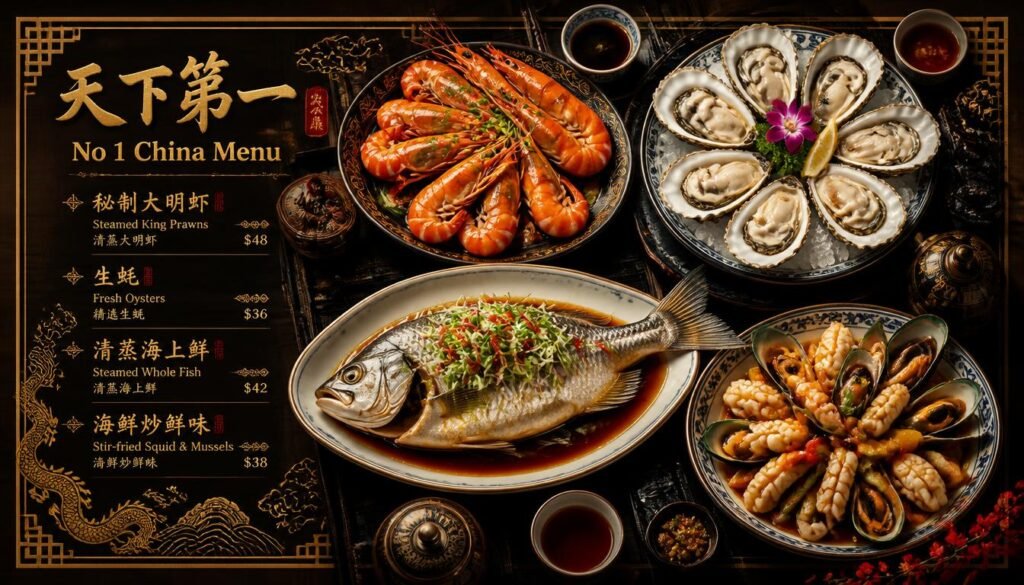
Seafood gives the menu another dimension, especially for diners who prefer shrimp or mixed seafood over meat.
Common choices can include Shrimp with Chinese Vegetable, Shrimp with Broccoli, Shrimp with Snow Peas, Shrimp with Lobster Sauce, Shrimp with Cashew Nuts, Shrimp with Mixed Vegetable, Shrimp with Black Bean Sauce, Shrimp with Garlic Sauce, and Curry Shrimp.
There are also noodle-based choices such as Shrimp Chow Mein, Shrimp Lo Mein, and Shrimp Mai Fun. A combination like Shrimp & Scallops in Garlic Sauce can be more substantial when you’re looking for a seafood-centered entrée.
Specialty combinations such as Dragon & Phoenix, Seafood Delight, Happy Family, Triple Delight, or Four Seasons may bring several proteins or ingredients together. These dishes can be useful for diners who have trouble choosing just one thing, which is probably most of us when we’re hungry.
Vegetable Dishes and Tofu Options
A Chinese restaurant menu does not have to revolve around meat. Vegetable and tofu choices can be surprisingly satisfying, especially when paired with rice or noodles.
Selections may include Mixed Vegetables with Bean Curd, Sautéed Broccoli, Bean Curd with Broccoli, Sautéed Mixed Vegetables, Bean Curd Home Style, Broccoli with Garlic Sauce, and Snow Peas with Garlic Sauce.
Ingredients such as broccoli, cabbage, Chinese cabbage, carrots, celery, mushrooms, snow peas, water chestnuts, bamboo shoots, baby corn, bell peppers, onions, and mixed vegetables create different textures in the same meal.
For people searching for Chinese vegetarian food options, tofu or bean curd with vegetables can be a useful starting point. Still, vegetarian diners should confirm preparation methods with the restaurant because sauces and cooking practices can differ.
Sauces Make More Difference Than People Think
Two dishes containing the same chicken or beef can taste completely different because of the sauce. This is one reason the menu’s sauce vocabulary is worth understanding.
Garlic sauce generally suggests a pronounced savory-garlic character. Black bean sauce tends to be salty and deeply savory, while brown sauce is commonly associated with a rich, savory finish.
Other flavor directions include sweet and sour sauce, sesame sauce, curry, lighter sauces, and spicy preparations. Some dishes may also allow sauce adjustments, but availability varies by location.
If you enjoy heat, look for hot and spicy Chinese food, Szechuan-style preparations, Hunan dishes, Kung Pao dishes, or garlic-based spicy choices. If you prefer gentler flavors, chicken with vegetables, steamed dishes, or lighter sauces may be easier choices.
Diet Menu and Lighter Ordering Choices
People looking for lighter meals can often find useful possibilities within a Chinese restaurant menu, although individual preparation should always be confirmed with the restaurant.
A diet menu may include items described as steamed, with vegetables, white meat chicken, shrimp, bean curd, or lighter sauces. Depending on the restaurant, diners may be able to request choices such as no sugar, no salt, no MSG, no corn starch, no oil, or sauce on the side.
Steamed vegetables, broccoli, snow peas, mushrooms, tofu, and mixed vegetables can provide alternatives to deep-fried dishes.
If you have a medical or allergy-related dietary requirement, don’t rely solely on a menu description. Ask the restaurant directly about ingredients, cross-contact, sauces, and preparation. That’s much safer than guessing from a dish name.
Combination Platters and Family-Style Ordering
Combination platters are convenient when you want several familiar components in one meal. Depending on the location, these can combine an entrée with rice, noodles, appetizers, or another side.
A Chinese combination platter can also be useful for first-time customers because it gives you a chance to sample a familiar dish without building an entire order from separate categories.
For groups, a family pack may make more sense. Several shared entrées, rice, noodles, appetizers, and vegetables can turn an ordinary takeout order into a table full of options.
One practical trick is to choose contrasting dishes rather than ordering four versions of the same flavor. A sweet dish, a spicy dish, a vegetable entrée, fried rice, and soup will usually give everyone more variety.
Lunch Specials and Everyday Ordering
Chinese lunch specials are designed around convenience and familiar combinations, making them useful for a weekday meal when you don’t want to spend twenty minutes deciding.
A lunch special may pair an entrée with rice, soup, an appetizer, or another accompaniment, depending on the local menu. Since restaurant menus and serving details change, checking the current listing is important.
For dinner, diners have more reason to explore chef’s specials, seafood combinations, family-style dishes, or larger portions. The best choice depends less on some universal ranking and more on whether you’re feeding one person, two people, or a hungry table.
No 1 China Delivery, Pickup, and Online Ordering
Convenience is a major part of modern Chinese takeout. Customers may have options for delivery, pickup, or online food ordering, depending on the location.
Services such as DoorDash may list participating restaurants and available delivery options, but availability, menu items, prices, fees, and delivery areas can change by location and time. Checking the specific nearby store is therefore the sensible move before placing an order.
For pickup, ordering ahead can save time, particularly during busy lunch and dinner periods. Delivery is useful when the whole point of dinner is not putting on shoes and leaving the house, which frankly is sometimes the most important feature of the menu.
How to Build a Balanced No 1 China Order
If you’re unsure what to order, start with one dish from each flavor or texture category rather than chasing every familiar name.
For two people, a practical meal could include an appetizer such as egg rolls or dumplings, one chicken entrée, one vegetable or beef dish, and a rice or noodle side. Add soup if you want something lighter and warm alongside the main dishes.
For a family, consider mixing fried rice, lo mein, a vegetable dish, chicken, beef, and seafood. This creates different proteins and textures without requiring everybody to order an individual meal.
And don’t forget sauce preferences. Someone who loves sweet and sour Chinese food may not be thrilled by a very spicy Szechuan dish, while the person who orders hot and spicy food might consider a mild entrée practically a bowl of polite water.
Popular Dishes to Consider First
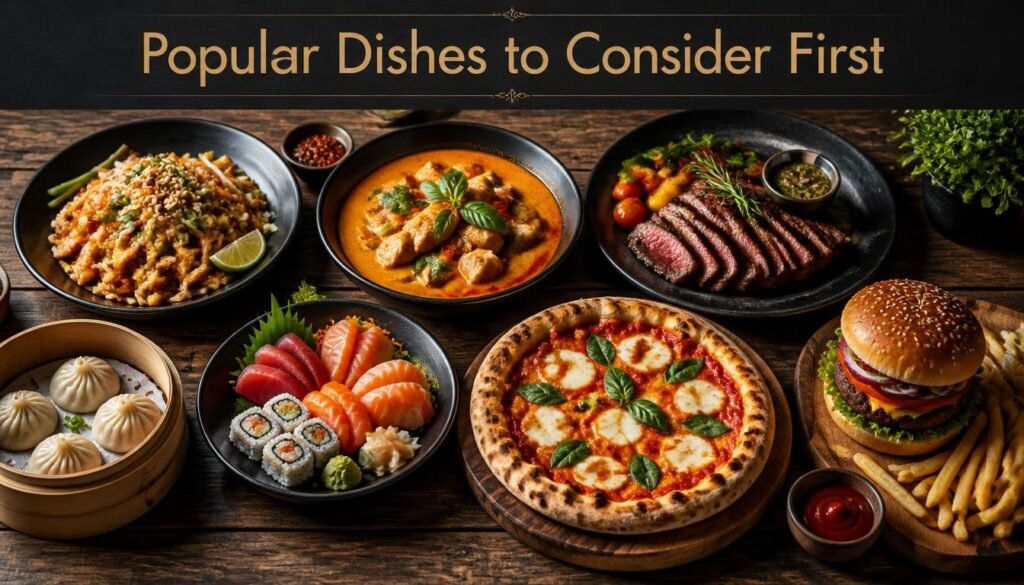
For someone opening the menu for the first time, a few recognizable dishes can provide an easy starting point:
- General Tso’s Chicken for a sweet-savory, often spicy chicken option.
- Kung Pao Chicken for a savory dish with heat and nutty texture.
- Sesame Chicken for a sweeter, sesame-forward preparation.
- Chicken with Broccoli for a familiar protein-and-vegetable combination.
- Beef with Broccoli for a richer savory alternative.
- Shrimp with Garlic Sauce for seafood with a strong garlic profile.
- Chicken Fried Rice for an easy all-around rice dish.
- Shrimp Fried Rice when seafood is preferred.
- Chicken Lo Mein for soft noodles and savory flavor.
- Wonton Soup for a lighter, comforting starter.
- Egg Drop Soup for a delicate soup choice.
- Hot & Sour Soup for something with stronger heat and tang.
- Egg Rolls for a classic crispy appetizer.
- Crab Rangoon for a creamy fried appetizer.
- Fried Dumplings when crispy edges are the priority.
These aren’t a universal list of the “best” dishes, because taste is personal and menu availability changes. They’re simply recognizable entry points into the broader No 1 China Menu.
Frequently Asked Questions
no.1 chinese restaurant menu
The No. 1 Chinese restaurant menu offers a variety of Chinese dishes, including appetizers, fried rice, noodles, chicken, beef, seafood, soups, and chef’s specialties.
no 1 chinese restaurant menu
The No 1 Chinese restaurant menu features popular Chinese favorites such as General Tso’s Chicken, Lo Mein, Chow Mein, Fried Rice, Egg Foo Young, and more.
number one chinese restaurant menu
The Number One Chinese restaurant menu includes a wide selection of traditional and American-Chinese dishes, with options for chicken, beef, pork, seafood, and vegetables.
no 1 chinese food menu
The No 1 Chinese food menu includes appetizers, soups, rice and noodle dishes, combination platters, family meals, and spicy Chinese specialties.
no 1 chinese restaurant ayden menu
The No 1 Chinese restaurant Ayden menu offers a range of Chinese food favorites, including fried rice, lo mein, chow mein, chicken, beef, seafood, and vegetable dishes.
Read this blog: https://menupricesaustralia.com/california-burrito-menu-with-prices-2026/
Final Thoughts on the No 1 China Menu
A good Chinese takeout menu is almost a little map of cravings. One corner is crispy and fried, another is steamy and comforting, another is spicy, another is filled with vegetables, and somewhere in the middle is the fried rice that quietly fixes everyone’s indecision.
The No 1 China Menu brings together the familiar categories people often look for in Chinese cuisine, from appetizers and soups to chicken, beef, seafood, noodles, fried rice, vegetables, combination platters, and chef’s specialties.
Whether you’re after General Tso’s Chicken, beef with broccoli, shrimp with garlic sauce, wonton soup, lo mein, or a simple vegetable dish, the range gives you plenty of ways to build a meal around your own taste.
Before ordering, check the menu for your particular nearby store, especially if you’re using delivery or pickup. Prices, portions, specials, ingredients, and online ordering availability can vary between locations.
And perhaps that’s the nicest thing about a broad Chinese menu: you don’t have to make the same choice every time.
Tonight might be fried rice and egg rolls. Next week could be Szechuan beef and steamed vegetables. Another night, maybe you’re sharing a family pack with everybody reaching across the table for the last dumpling.
Food doesn’t always need to be complicated to be memorable. Sometimes it’s simply a warm container arriving at the door, the smell escaping before the lid is fully open, and that tiny moment when everyone says, “Okay, what did you order?” That’s where a menu becomes more than a menu, really.
If you want, I can also adapt this into a more strongly SEO-focused version with a meta title, meta description, FAQ section, and keyword-rich headings while keeping the writing natural.


